• Common Filter Bag Cage Types and Selection
    Jun 07, 2023 Common Filter Bag Cage Types and Selection
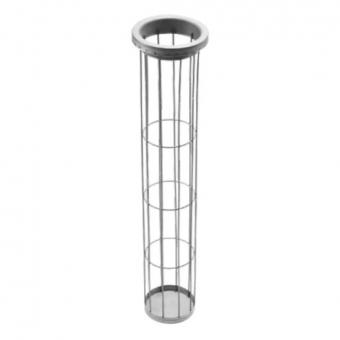
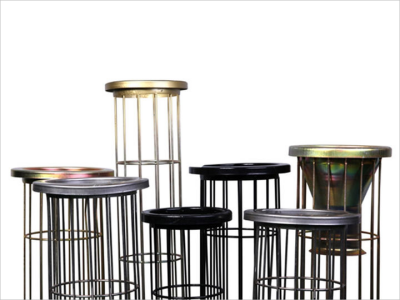
    1. Stainless steel bag cage: This bag cage is made by stainless steel. When it comes to stainless steel banding, the three most commonly used grades are: Type 201, type 304 and type 316. Here are 3 typical working conditions where stainless steel bag cages are used: 1.1 High-temperature environments: Stainless steel bag cages are resistant to high temperatures and can withstand the heat generated by industrial processes. They are commonly used in applications such as incinerators, power plants, and metal smelting facilities, where the gas streams may reach elevated temperatures. 1.2 Corrosive or aggressive atmospheres: Stainless steel is highly corrosion-resistant, making it suitable for environments where the gas stream contains corrosive elements, such as acidic gases or chemical fumes. Industries like chemical processing, pharmaceuticals, and wastewater treatment often require the use of stainless steel bag cages to withstand these harsh conditions. 1.3 Heavy-duty industrial applications: Stainless steel bag cages are employed in heavy-duty industries like mining, cement production, and steel manufacturing, where the gas streams carry large amounts of dust and particulate matter. The robust nature of stainless steel allows the bag cages to withstand the abrasive nature of the particles and ensure efficient filtration. Due to its relatively high cost, many customers choose stainless steel skeletons only in special cases. ↓ ↓ ↓ ↓ ↓ Share your Company info. Get latest price list for stainless steel bag cage. 2. Silicone coating bag cage mainly using on working conditions such as: 2.1 Adhesive or sticky dust: Some industrial processes generate dust particles that have adhesive properties, making them stick to surfaces. Silicone coating on bag cages prevents the dust from adhering to the cage, making it easier to clean and maintain the filtration system. Industries like woodworking, pharmaceutical granulation, and certain food processing applications often benefit from the use of silicone-coated bag cages. 2.2 Anti-static requirements: In environments where there is a risk of electrostatic discharge, such as in industries dealing with flammable or explosive dusts, silicone coating can provide anti-static properties to the bag cages. This helps minimize the risk of sparks or ignition that could lead to accidents. Examples of such industries include chemical manufacturing, coal handling, and grain processing. 2.3 Chemical resistance: Silicone coating offers resistance to a wide range of chemicals, making it suitable for environments where the gas stream contains corrosive gases or chemicals. Industries like petrochemical refining, metal plating may use silicone-coated bag cages to withstand the chemical exposure and ensure effective filtration. Silicone coating provides excellent water repellent properties, making it ideal for applications where high levels of moisture or humidity are present. ↓ ↓ ↓ ↓ ↓ Share your Company info. Get latest price ...
    View More
  • Baghouse Use High Temperature Filter Media Summary
    May 24, 2023 Baghouse Use High Temperature Filter Media Summary
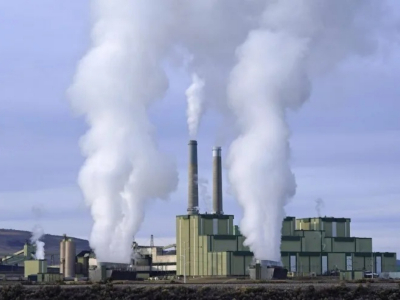
    At present, industrial pollution is the largest source of PM2.5 in China, with cement manufacturing, coal-fired power plants, and steel metallurgy being the 3 major culprits among industrial pollution sources. Therefore, industrial filtering cannot be ignored in the management of PM2.5. Sources of PM2.5 (Source: IPE) However, industrial filtering is not an easy task, because industrial fumes are hot and often contain acidic and alkaline gases, which require high requirements for the technology and materials used for industrial filtering. At present, there are two mainstream technologies for industrial dust removal, namely electrostatic precipitator and bag type precipitator. Based on these two, electric bag composite precipitator is derived. Comparison of Economic Performance of Three Dust Collector Technologies Bag Filter - The mainstream technology for industrial dust control: Currently, electrostatic precipitator technology in China has reached the stage of mature application, bag filter technology is in a period of rapid development. However, as the national requirements for controlling industrial flue gas pollution continue to improve, electrostatic precipitator technology alone cannot fully meet the requirements. The use of bag filter technology and electrostatic bag composite dust collectors as replacements for electrostatic precipitator technology has become mainstream. Mechanism of bag filters: Special fibers are used to make filter bags, and the dusty gas is injected into the bags, where the dust is filtered and captured. The filtering effect depends on the quality of the filter bags. Structure of Bag Filter (Source: Hitachi Plant Construction, Ltd. 56 ) You can also directly consult our sales engineers for free consultation services regarding your dust collection and denitrification projects. ↓ ↓ ↓ ↓ ↓ Contact us now! High temperature Filter Material - The core material of bag filters The filtering effect of bag filters is achieved through filtering materials. Different filtering effects can be achieved by equipping various types of filter bags with different properties, such as resistance to normal temperature(<130℃), resistance to high temperature(>130℃), corrosion resistance, water and oil repellent, fire and explosion prevention, and long service life (2-4 years). The changes and innovations in bag filter technology are closely related to the transformation of filter materials. Currently, the main high-temperature filter fibers used for flue gas treatment domestically and internationally include PPS (polyphenylene sulfide), Nomex (aromatic polyamide), P84 (polyimide), PTFE (polytetrafluoroethylene), glass fibers, and PSA (polyphenylene sulfone) fibers. In practical applications, multiple fibers are often used in combination. Production processes include needle punching, surface coating, emulsion impregnation, etc., which can achieve surface filtration and gradient filtration effects. This not only improves the dust ...
    View More

  • Comparison of Flue Gas DeNOx SCR and SNCR Technology
    May 17, 2023 Comparison of Flue Gas DeNOx SCR and SNCR Technology
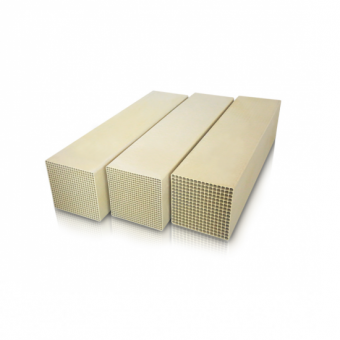
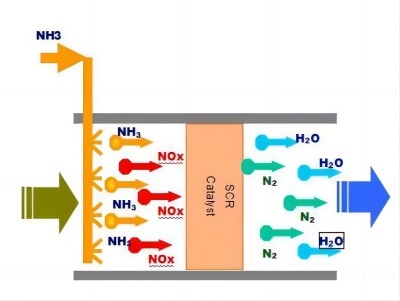
    Flue gas DeNOx (Nitrogen Oxides) technologies play a crucial role in reducing harmful emissions from industrial processes. Two widely used methods for NOx reduction are SCR (Selective Catalytic Reduction) and SNCR (Selective Non-Catalytic Reduction) technologies. Denitrification process There are several reasons why we would recommend SCR (Selective Catalytic Reduction) technology over SNCR (Selective Non-Catalytic Reduction) technology for certain applications: * Higher NOx Removal Efficiency: SCR technology offers higher NOx removal efficiency compared to SNCR. SCR systems can achieve up to 90% or higher NOx reduction rates, making them more suitable for industries with stringent emissions regulations or those aiming for substantial emissions reductions. * Consistent Performance Across a Wide Range of Conditions: SCR technology exhibits stable and reliable performance across a wide range of flue gas conditions, including variations in temperature, flow rate, and pollutant concentrations. It ensures consistent and effective NOx reduction, regardless of fluctuations in process operations. * Lower Ammonia Slip: SCR technology allows for precise control of the ammonia-to-NOx ratio, resulting in lower ammonia slip. This is crucial to comply with strict environmental regulations and minimize the release of unreacted ammonia into the atmosphere, which can have its own environmental impact. * Compatibility with Various Fuels: SCR technology is compatible with a wide range of fuels, including coal, natural gas, oil, biomass, and more. This versatility allows industries using different fuel types to implement SCR systems, providing a flexible and effective solution for diverse applications. * Long-Term Reliability and Proven Track Record: SCR technology has been extensively researched, developed, and deployed in various industries for many years. Its effectiveness and reliability have been proven through practical applications, making it a trusted choice for businesses seeking long-term and sustainable NOx reduction solutions. * Potential for Energy Savings: Compared to SNCR, SCR technology can operate at lower temperatures, resulting in potential energy savings. The lower temperature operation of SCR systems can contribute to overall process efficiency and reduced energy consumption, leading to cost savings in the long run. While SNCR technology has its own advantages, such as simplicity and lower upfront costs, SCR technology offers higher NOx removal efficiency, greater reliability, and wider operational flexibility. Ultimately, the choice between SCR and SNCR depends on the specific requirements, emission regulations, and characteristics of the industrial process in question. As the largest manufacturer of honeycomb SCR catalysts in China, Yuanchen offers comprehensive services including catalyst design, selection recommendations, sample testing, production, delivery, and regular post-sales follow-up. Choose Yuanchen for your flue gas treatment effic...
    View More
  • Brief Introduction of CO-SCR catalyst
    May 16, 2023 Brief Introduction of CO-SCR catalyst
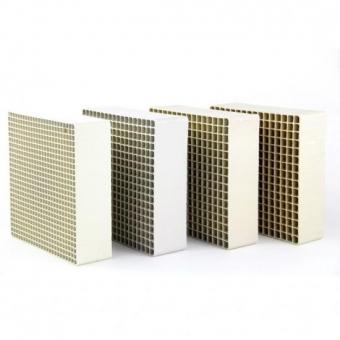
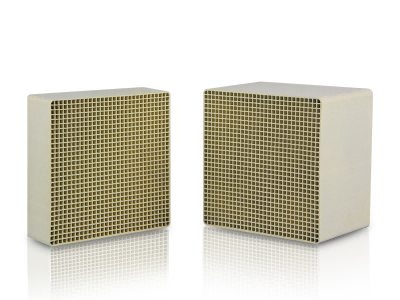
    CO-SCR technology reduces NOx to N2 by using carbon monoxide (CO) as a reducing agent. CO is a reducing gas that is widely present in sintering and coking flue gas and vehicle exhaust. It is also a colorless and odorless toxic gas, which can cause poisoning when the CO concentration in the air exceeds 0.1%. Using CO instead of NH3 for selective catalytic reduction of NOx cannot only reduce pollution control costs but also eliminate NO and CO in the flue gas, achieving waste treatment through waste. CO-SCR Technology Principle The reaction process of CO reducing No can be divided into four steps: adsorption of reactant molecules (CO and NO first undergoes gas-phase diffusion and contact with the catalyst surface, and are adsorbed by the unsaturated metal active sites on the catalyst surface, forming NO(a) and CO(a) species, while CO and NO gradually diffuse into the pore structure of the catalyst as the reaction continues); dissociation of adsorbed molecules (when the reaction reaches a certain temperature, active NO(a) is decomposed into N(a) and O(a) species); recombination of surface active substances and desorption of product molecules (CO(a) is oxidized by the active O(a) species to generate CO2, while the active N(a) species combines to generate N2, and the final products CO2 and N2 generated by the reaction are discharged from the flue). Leave us a message now and get the technical specifications of the honeycomb catalyst: ↓ ↓ ↓ ↓ ↓ Contact Us Now! Meanwhile, the combination of other active species can produce by-products such as N2O and O2, and the specific steps are as follows: Adsorption of reactant molecules: CO(g) → CO(a) NO(g) → NO(a) Dissociation of adsorbed molecules: NO(a) → N(a) + O(a) Recombination of surface active substances and desorption of product molecules: CO(a) + O(a) → CO(g) N(a) + N(a) → N2(g) N(a) + NO(a) → N₁O(a) N:O(a) → NO(g) N.O(a) → N₂(g) + O(a) CO-SCR Catalysts The catalyst is the key material in the entire catalytic reaction system. Currently, in the CO-SCR denitration technology that uses CO as a reducing agent to remove NOx, commonly used catalysts include noble metal catalysts, single transition metal catalysts, and composite transition metal catalysts. Noble metal catalysts generally refer to platinum, palladium, rhodium, iridium, silver, etc. Noble metals are often present in a nanometer state as catalysts, or they can be supported on carriers or exist on molecular sieves by ion exchange. The oxides of non-noble metals such as copper, cobalt, iron, chromium, and manganese have good activity for removing nitrogen oxides. Single metal catalysts often have the disadvantages of a narrow reaction temperature window, poor reaction activity under oxygen-rich conditions, and poor resistance to SO2 poisoning. Composite metal catalysts doping appropriate additives can improve these problems to some extent. Compared with single transition metal oxide catalysts, bi-component or multi-component composite transition meta...
    View More
  • Brief Analysis of Dust Filter Bag Damage Causes
    May 12, 2023 Brief Analysis of Dust Filter Bag Damage Causes
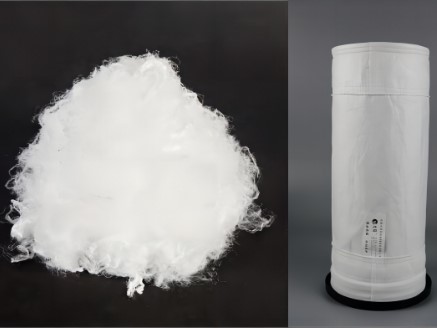
    The bag filter plays a crucial role in industrial production by effectively reducing the pollution caused by dust and harmful gases generated during the production process. However, during the use of filter bags, issues such as mechanical damage and chemical corrosion may arise, thereby impacting their dust removal efficiency. This article will focus on analyzing and listing factors that contribute to filter bag damage. 1. Mechanical damage The mechanical damage of the filter bag primarily manifests as the destruction and detachment of the non-woven layer of the filter material. This phenomenon is mainly caused by the uneven distribution of the dusty gas, resulting in increased pressure on the surface of the filter bag due to the filtered airflow entering the bag filter. This increased pressure leads to flushing and subsequent damage to the non-woven layer. Improper installation of the filter bag during replacement can also cause continuous rubbing and damage to the outer surface of the non-woven layer during use. Alternatively, improper installation of the spray pipe, specifically if it is not installed vertically, can result in damage occurring at a position 30-40 cm from the outlet, leading to a reduction in its filtration performance. The specific areas of damage include the outlet, body, bottom, and base of the bag. Filter Bag Mechanical damage You can browse our filter bag product page, learn about our products and leave a message to get a quotation. We will recommend the product suitable for you according to the details of the working conditions you provide. ↓ ↓ ↓ ↓ ↓ Dust Filter Bags Product Page 1.1 Damage to the bag mouth occurs at a position of 30-40 cm from the bag opening, primarily due to the blowing open and detachment of the bottom layer of the filter material. This issue is mainly caused by misalignment of the spray pipe, excessively high compressed air pressure, and deformation of the flower plate. It is crucial to ensure high-quality installation during the filter bag installation process. 1.2 Damage to the body of the bag: The portion of the filter bag that comes into contact with the equipment experiences constant rubbing during the high-speed operation of pulse spraying, resulting in damage to the bag body, which is primarily characterized by noticeable wear marks. During installation, it is important to ensure that the filter bag complies with the specifications and size of the equipment. 1.3 Bottom damage: The primary cause of damage at the bottom of the filter bag is long-term wear. This occurs due to the small size of the bottom of the bag cage where the filter bag is installed in the bag dust collector, or when the purchased filter bag is too long, causing the bag cage to only support the bottom of the filter bag. During the filtering and cleaning process, the extensive operational range leads to damage at the bottom, or the failure to timely filter or clean results in excessive dust accumulation in the filter bag, lead...
    View More
  • High-Temperature Dust Filter Bags: Enhancing Efficiency and Protecting Against Heat Damage
    May 11, 2023 High-Temperature Dust Filter Bags: Enhancing Efficiency and Protecting Against Heat Damage
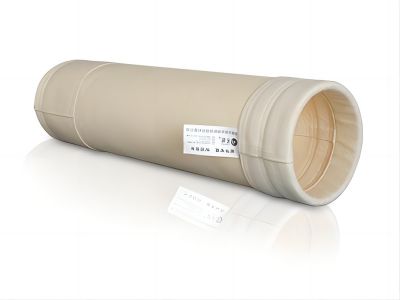
    Dust filter bags are suitable for medium to low temperature flue gas (180~290℃), but when the flue gas temperature is high, it is necessary to lower the temperature of the flue gas before it enters the bag filter by using processes such as water cooling or air cooling to protect the filter bags from damage due to high temperature. In recent years, with the continuous improvement of nitrogen oxide emission standards in China (Due to strong environmental regulation by the government and strict punitive measures, which have increased the emission costs for businesses), the integrated denitrification-dust removal bag filters have started to receive attention. The key technology of this equipment lies in the development of "catalyst-coated filter bags" that are more suitable for bag filters and can meet various operating conditions. This has been driven by the need to develop a new generation of dust filtration products at an accelerated rate. The current mainstream theoretical view is that catalysts such as manganese-based/vanadium-based catalysts are adhered to the surface of filter bags, and ammonia gas is injected into the interior of the dust collector (or at the inlet of the dust collector). Through the action of the catalyst, the ammonia gas reacts with nitrogen oxides in the flue gas to generate nitrogen gas. This principle is similar to the Selective Catalytic Reduction (SCR) technology, where under the action of a catalyst, the reducing agent NH3 selectively reduces NO and NO2 to N2 under temperature conditions of 180-400°C, while hardly undergoing the oxidative reaction of NH3 with O2. This reduces the consumption of the reducing agent, helps control ammonia leakage, and lowers operating costs. Over the years, some Chinese experts and scholars have been devoted to the research and development of catalyst-coated filter media. Among them, a group of academicians from the Chinese Academy of Sciences advocate the use of surfactant dispersion method, coating method, and suction filtration method to load manganese dioxide/polyacrylonitrile catalyst onto PPS filter media. The catalyst loading amount is approximately 44g/㎡. Under laboratory conditions, PPS filter bags with catalyst coating achieved a denitrification efficiency of up to 80% at 180°C. The second viewpoint advocates the in-situ growth of three different catalyst components, namely Mn-CeOx, Mn-SnOx, and Mn-Ce-SnOx, on the surface of PPS fibers through mechanisms related to redox reactions. The results show that the three different catalyst-coated filter media, under laboratory conditions, can achieve denitrification rates of up to 100% when the preparation conditions include a KMnO4/PPS mass ratio of 0.6 and a denitrification reaction temperature of 180°C. Furthermore, even the filter media coated with Mn-Ce-SnOx catalyst can achieve a denitrification rate of 100% at a reaction temperature of 120°C. In addition, some experts advocate the use of ultrasonic dispersion method to attach 6%...
    View More

1 ... 38 39 40 41 42 ... 59

A total of 59 pages

Leave A Message
If you are interested in our products and want to know more details,please leave a message here,we will reply you as soon as we can.

Home

Products

about

contact